
Two years ago, artificial intelligence in the public sector was a niche product. Today it is a tsunami.
Every single week, the country’s IT departments are pitched bespoke, “perfect” AI solutions promising to revolutionise everything from meeting transcription to complex planning and building cases.
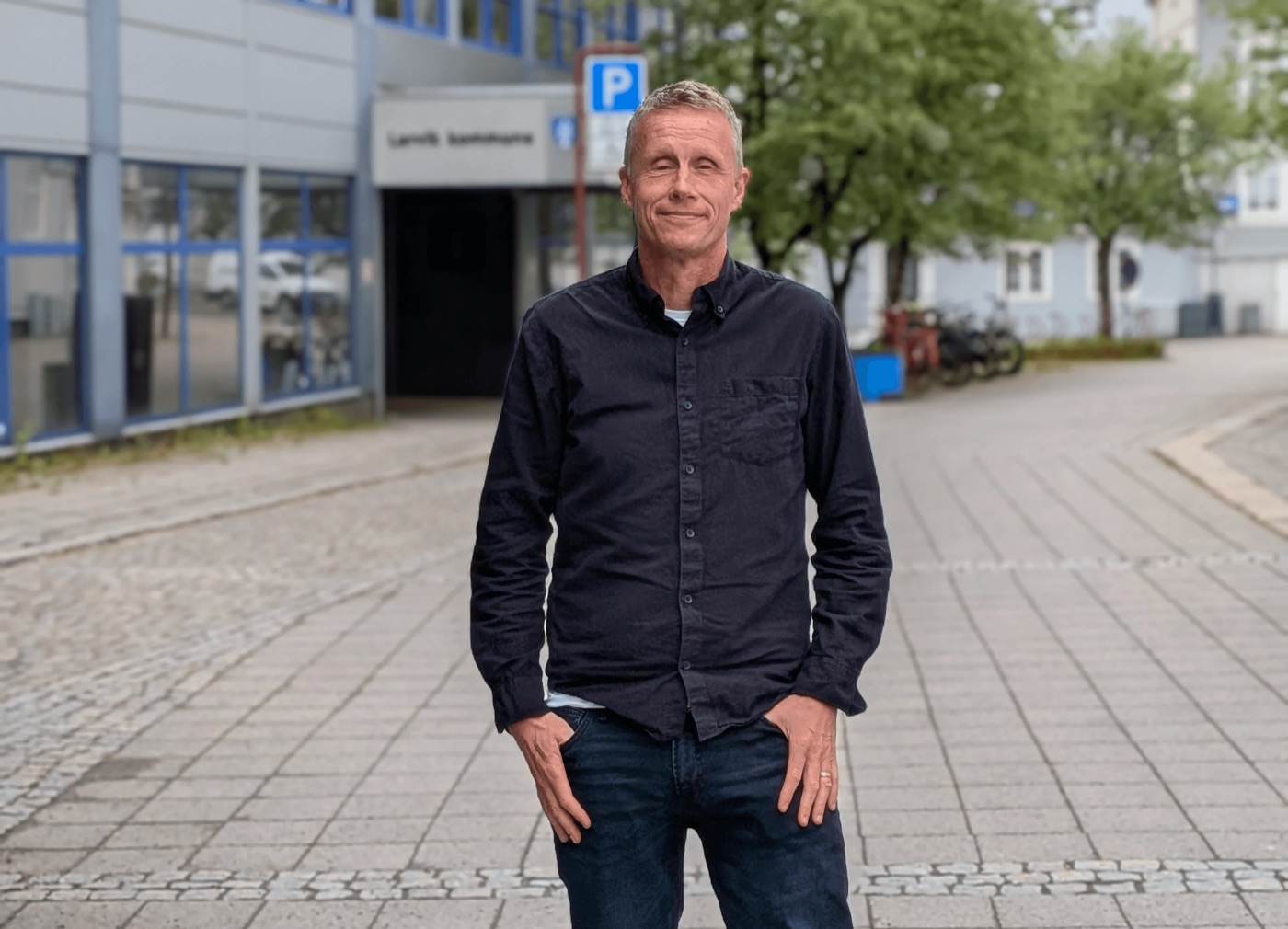
In the middle of this storm sits Jørn Andersen, specialist adviser for digitalisation and IT in Larvik municipality. He sees enormous potential in the technology, but is painfully aware of the technological trap that Norwegian municipalities are about to walk into.
The pressure from vendors is much, much greater now. The problem is that municipalities are offered a thousand different special-purpose solutions that each solve small, isolated problems.
It becomes very fragmented. Buying lots of different solutions is poor economics, and the architecture loses all coherence. AI shouldn’t be a thousand separate services from ten different subcontractors.
The dream of control: “We need a shared dashboard”
Andersen warns against being forced to pay for the same AI functionality over and over, baked into expensive, closed line-of-business systems. As the Norwegian Digitalisation Agency searches for “shared solutions for AI in the public sector”, he is crystal clear about the biggest mistake they could make: locking themselves in.
The biggest trap is that everything gets bundled together. It has to be a jigsaw solution where you can swap out the different pieces.
What he asks for is an independent platform layer – a middle layer that sits entirely outside the line-of-business systems. An engine that can connect across them without losing ownership of the infrastructure.
This is about more than IT architecture – it’s about digital sovereignty and the difficult security questions.
If we had a system where we have full control over security, and know that the data is processed in Drammen rather than in San Francisco or New Delhi, much of the problem would be gone.
“The same development as during the internet wave”
What Andersen describes as an independent middle layer is an architectural idea now gaining momentum. Morten Krogh-Moe, CEO of TellusR, sees the market maturing in exactly this direction. He calls the component an AI Communications Hub (ACH).
It’s exactly the same development we saw during the internet wave. Then Content Management Systems arrived as a shared control layer. An ACH means the equivalent for the AI wave.
Bans are a security risk: “People use the free tools anyway”
Municipalities don’t just manage money – ultimately they manage upbringing and health, schooling and social security for their residents. Larvik already has safe agreements with Google where data is shielded and not used for training — yet people are still more cautious with AI than with ordinary email in the same system.
The consequence of overly tight controls is what security experts call “shadow AI”: employees feeding sensitive information into open, free tools to get the job done.
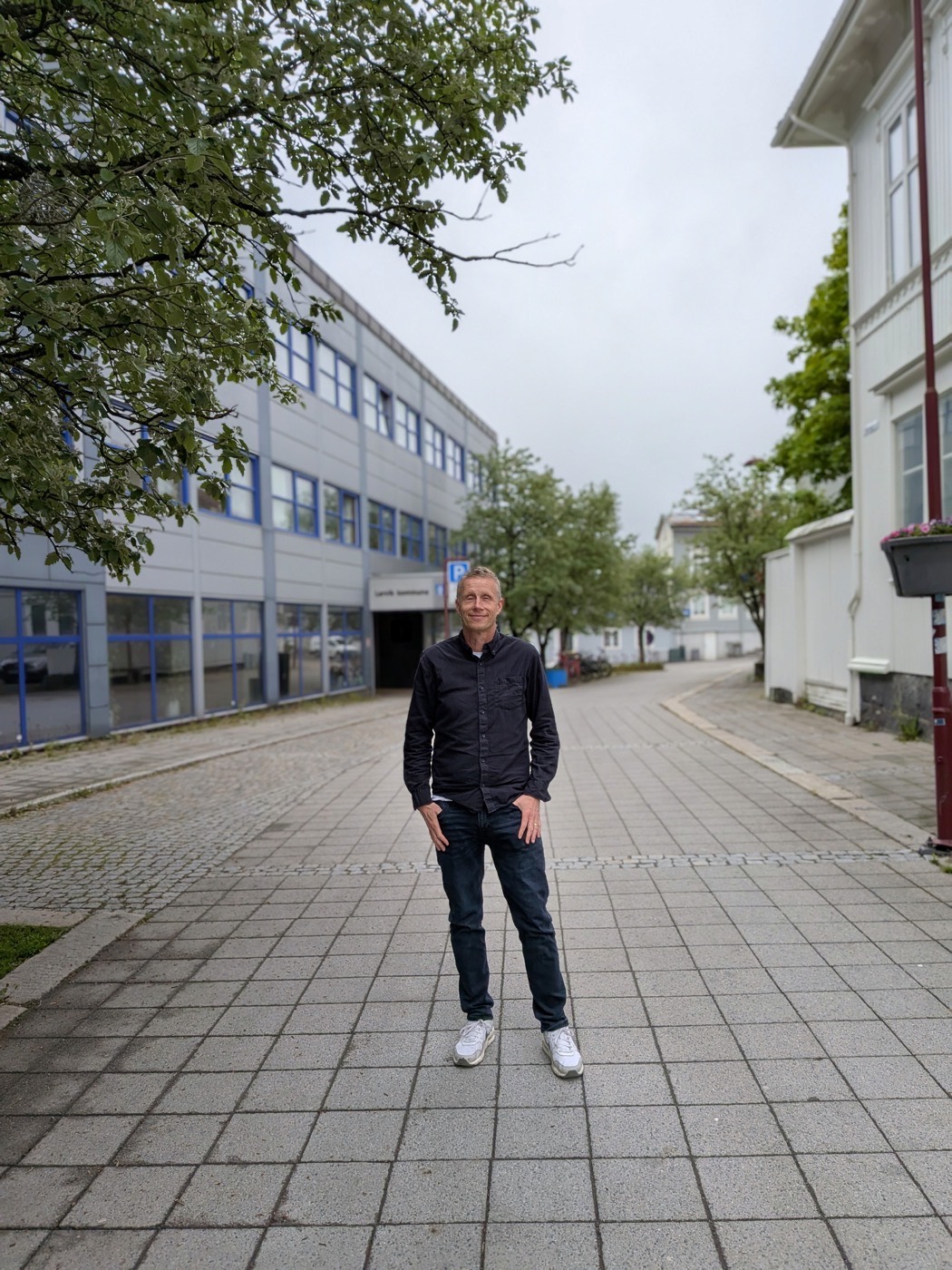
You have to give them tools that are acceptable and safe. If you wait for the hundred-percent perfect, risk-free system, you’ll never get on the train.
Norwegian municipalities are too busy to save money
Even when safe solutions are on the table, reality often gets in the way. Andersen recalls trying to test a new tool — and being told: “We don’t have time to test it.”
We don’t have time to test the system that saves us time! It’s a change issue where we municipalities are extremely slow.
The result is that society misses out on enormous gains, at a time when municipalities lack health workers, caseworkers and money alike. The solution exists — we just have to dare to take it.