Over the past two years, Norwegian organisations have invested heavily in artificial intelligence. And usage is rising fast. Forte Pulse 2026 shows that 42 percent of Norwegian organisations now use AI across several departments or in the core business. Yet only 6 percent say the technology has contributed to new revenue streams.
Consultancy Forte and Norwegian technology company TellusR are now entering a strategic partnership to solve what they see as the next major challenge: getting AI out of the pilot stage and into day-to-day operations.
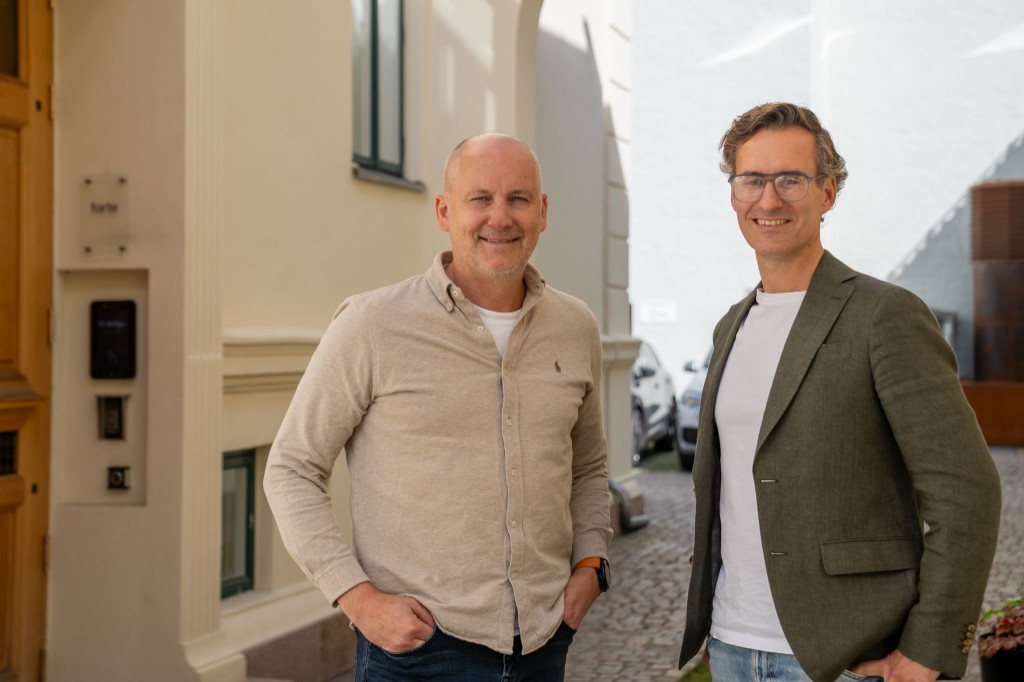
The biggest challenge is no longer getting started with AI. It is getting the solutions to work in practice. Many organisations sit on promising pilots, but few have managed to make them a natural part of their work processes.
Prestegård believes AI development has entered a new phase.
In recent years the discussion has been about models, language models and new tools. Now it is about something else entirely: How do we build solutions that employees actually use, that are integrated with the organisation’s data and systems, and that create measurable value?
To meet this challenge, Forte earlier this year launched Forte AI Accelerator, a six-week model that takes a concrete business problem from idea to a solution that works in the organisation’s own environment.
Through the partnership with TellusR, the accelerator gets a technology platform, the AI Communications Hub (ACH), that makes solutions production-ready from day one.
Reducing the risk in AI investments
While Forte leads the work of identifying business problems, developing the solutions and documenting the effect, TellusR delivers the underlying AI architecture that ensures security, integration and flexibility.
Many AI projects do not stall because the technology is poor, but because they lack an architecture that makes them possible to operate and develop further. That is what we want to solve together with Forte.
He believes many organisations still underestimate how important the technical foundation is.
It is not enough to plug into one language model and hope for the best. Organisations need a platform that guarantees data sovereignty and real independence from the tech giants. For the customer, this ultimately comes down to digital preparedness and avoiding dangerous vendor lock-in.
Forte describes the partnership as an answer to what they call an investment dilemma: Many want to invest in AI, but few have a strong enough basis for knowing where they should invest next.
The organisations that succeed rarely start with large transformation programmes. They find one concrete task that is repeated often, automate it, measure the effect and build from there.
– That is exactly the way of working we want to make easier together with TellusR, Prestegård adds.