– We have launched TellusR 5, and with that both our concept and our product get a massive lift, says Lise Bolling Nesheim, product manager and co-founder at TellusR.

She says they have now opened up the engine room, and that functionality previously reserved for the company’s own developers is now exposed in a brand-new administration interface.
– The solutions have already been stress-tested in demanding customer projects, says Nesheim. – That means customers get tools that demonstrably work in practice from day one.
An end to rigid workflows
The goal of TellusR 5 is to get organisations up and running faster, without sacrificing freedom of action.
With the new Quick Start workflow, you can drag and drop documents straight into the solution and immediately have an assistant ready to talk to the data.
But the real change under the hood in TellusR 5 is closely tied to how capable today’s language models have become. While fixed, static processes still handle routine tasks, the newest models open up a whole new degree of autonomy.
– Today’s models can be entrusted with more responsibility. Instead of steering the AI step by step, we now give it a toolbox and let it judge for itself how the task is best solved, says Nesheim.
This lets customers build an ecosystem of cooperating AI assistants. One assistant can specialise in extracting text from images, while another is strong at generating summaries.
– You simply tell the main assistant: “These are the tools you have access to. Based on the questions you get, use the tool that fits best.” That gives enormous flexibility, and makes the system able to handle a much wider range of problems.
But even if the assistants can now be given a freer rein, that does not mean companies lose control.
– In repetitive processes you typically want full control, says Lise Bolling Nesheim, adding:
– That is why it is still fully possible to set up static workflows where you need them. In those cases you can usefully connect local or smaller language models to get higher precision and even tighter cost control, she says.
Instead of steering the AI step by step, we now give it a toolbox and let it judge for itself how the task is best solved.
Prove that the AI is telling the truth
When AI takes on more responsibility for complex tasks, the need for control rises dramatically.
Key Account Manager at TellusR, Georg Baumann, says the technical bar for understanding and building such solutions is now considerably lower – helped by the documentation that ships with TellusR 5.

– For me, without the heaviest technical background, it makes it much easier to quickly look up what this is actually about, and what you can build, says Baumann.
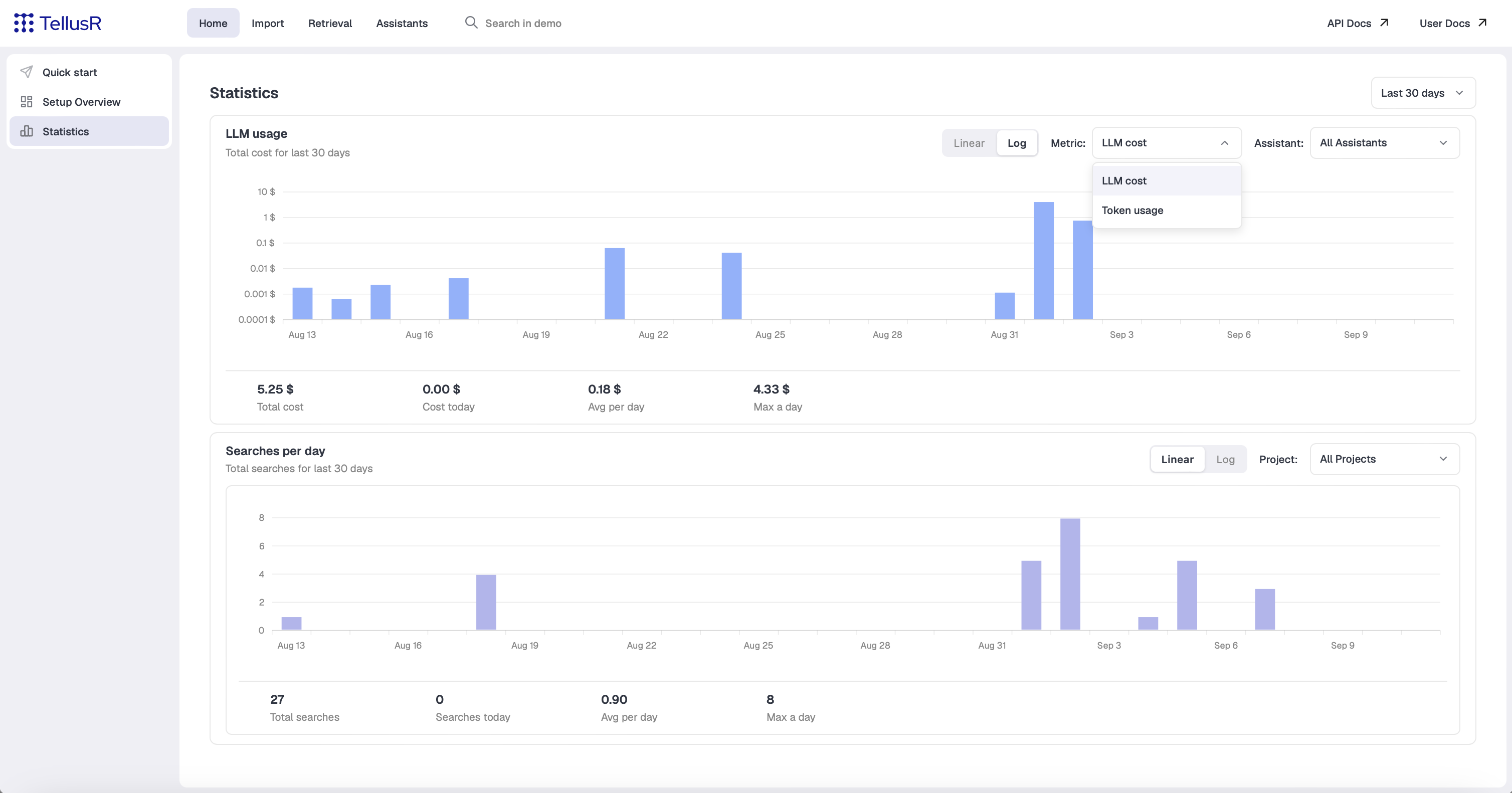
In the new dashboard, administrators get a full overview of time spent and average price per query for each assistant. But the most important thing for companies that require auditability is the solid test framework.
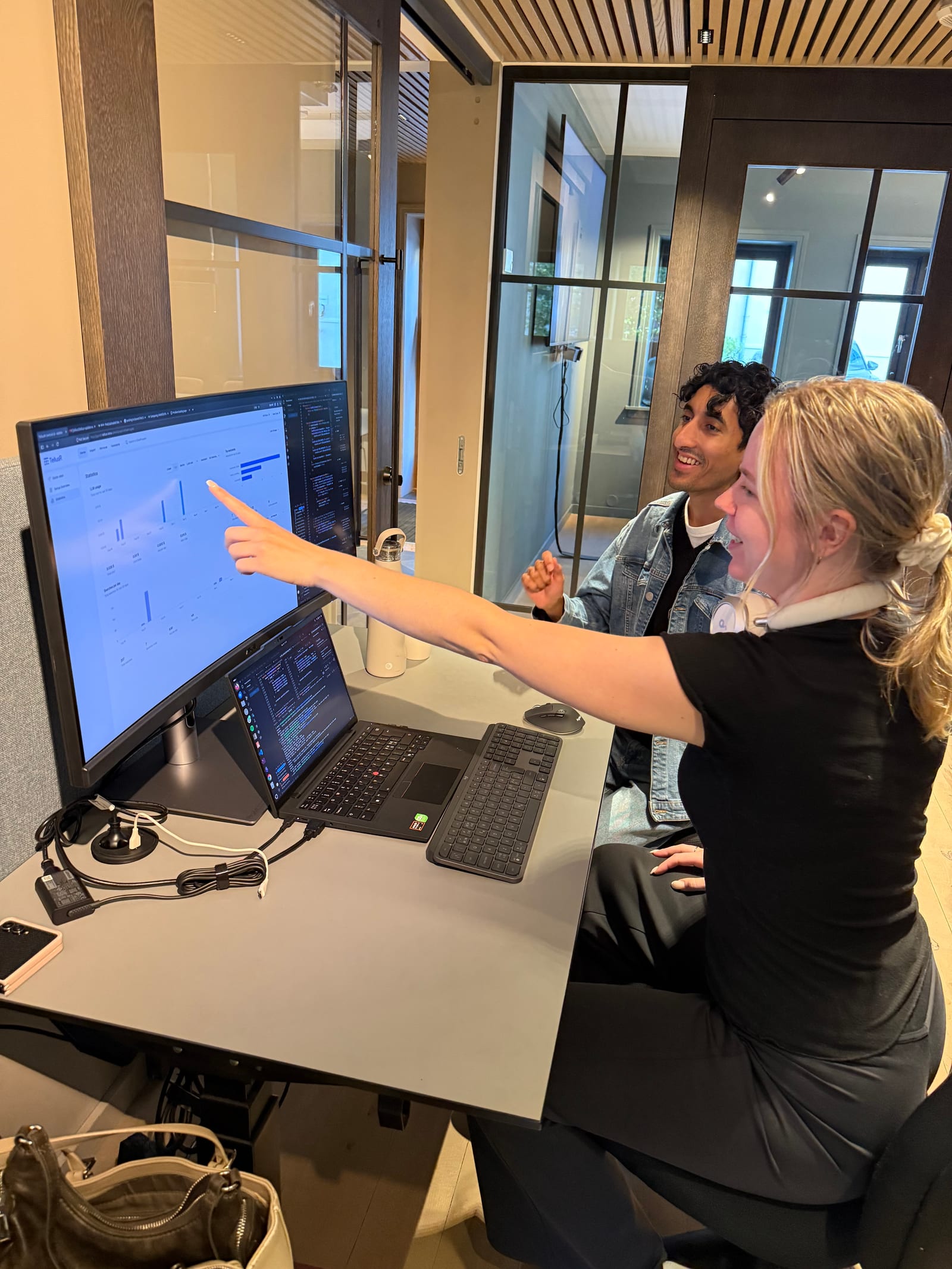
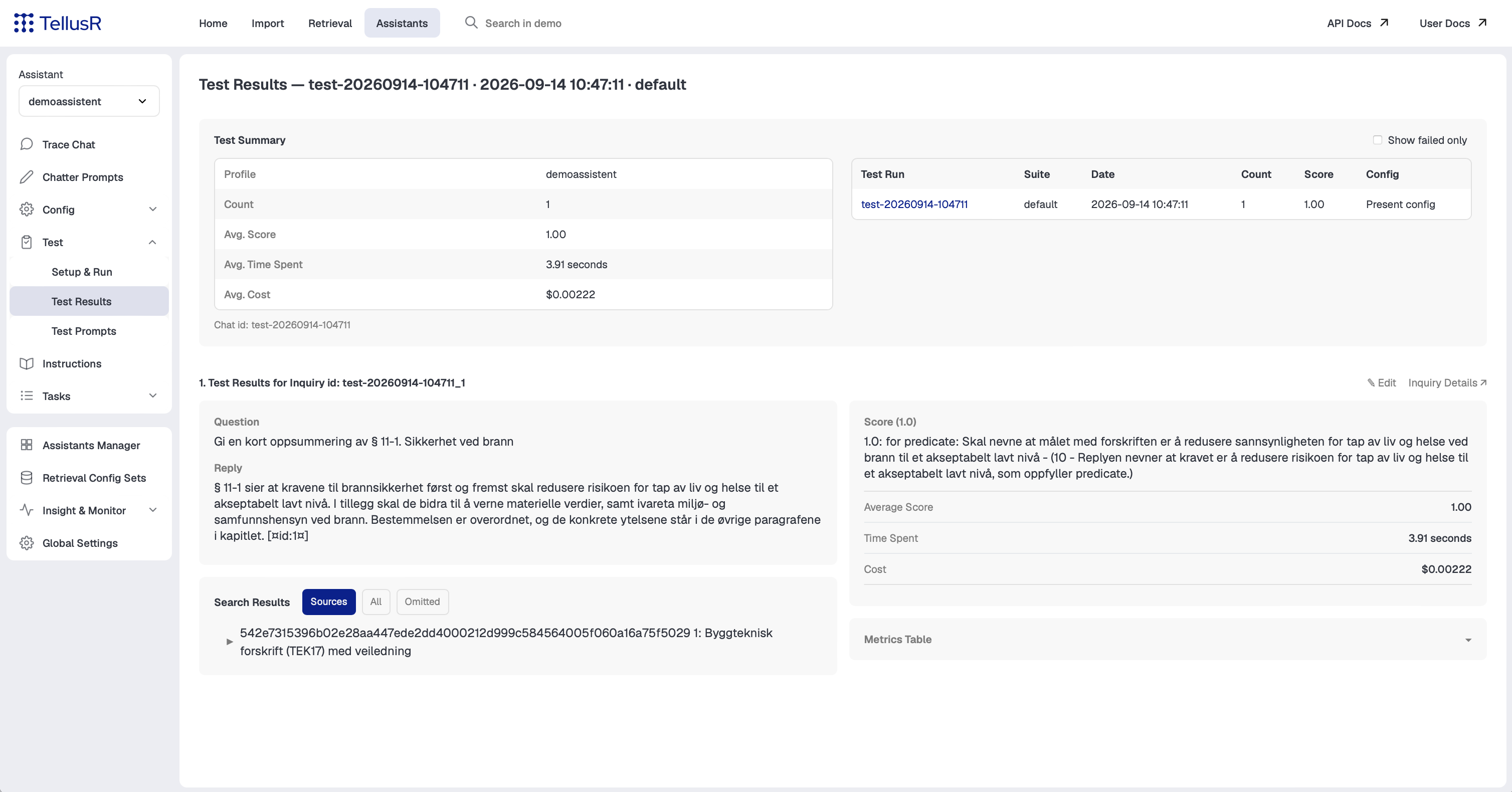
– You get a very good debug tool where you can trace everything that has happened, says Nesheim.
In practice this means the AI stops being a black box.
Software developer and senior architect Petter Egesund has previously said that he has examined many similar software solutions, but has never seen any that make AI as humanly verifiable through a test framework as TellusR does.
This traceability is crucial for public-sector organisations, which can now finally answer and document access-to-information requests related to AI solutions.
Using the LLM-as-a-judge method, organisations can enter a gold-standard answer and let another language model assess whether the assistant answers correctly on content, form and use of references.
– When we make larger changes, we always run the tests before and after to make sure quality does not get worse, says Nesheim.
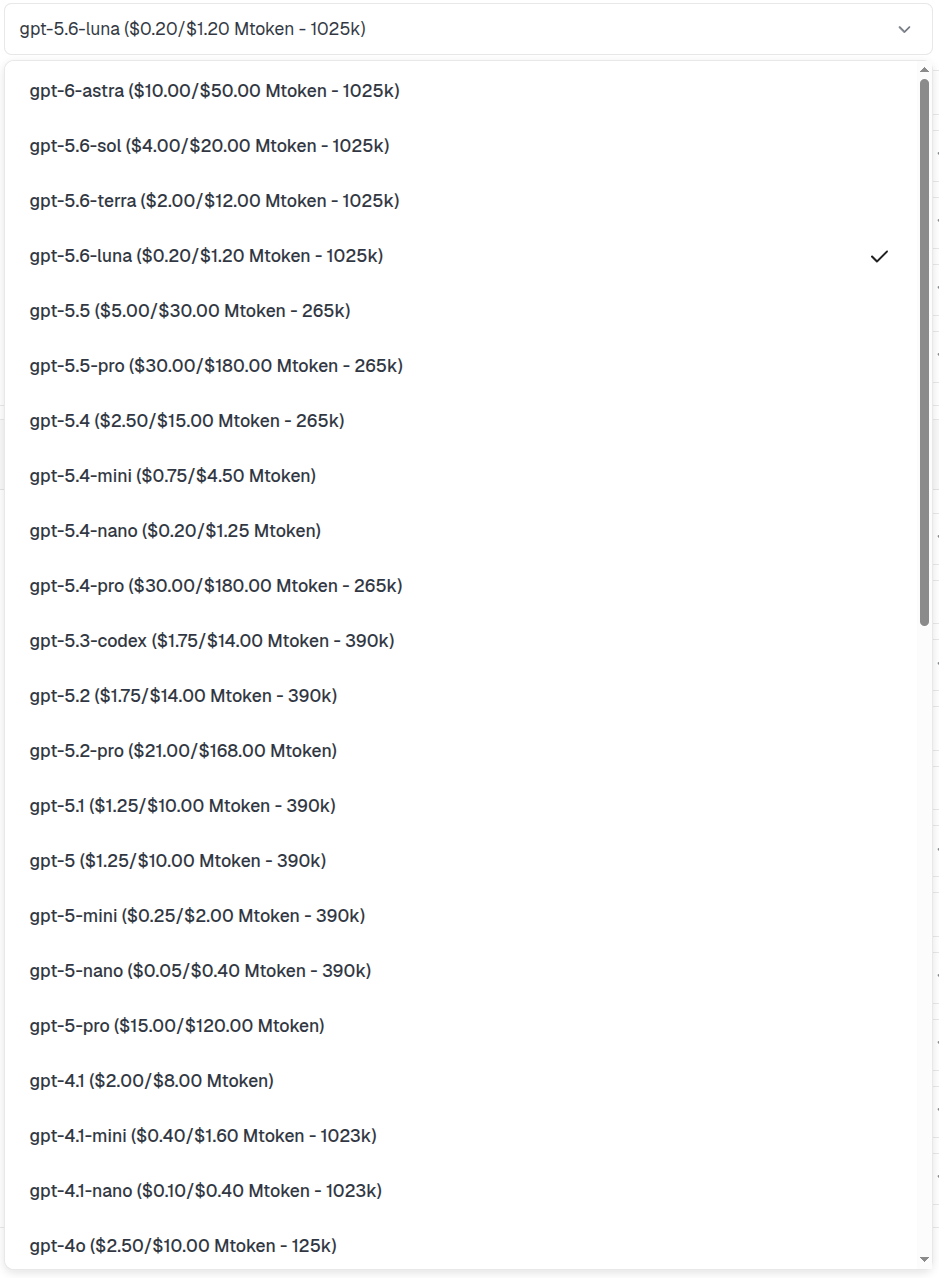
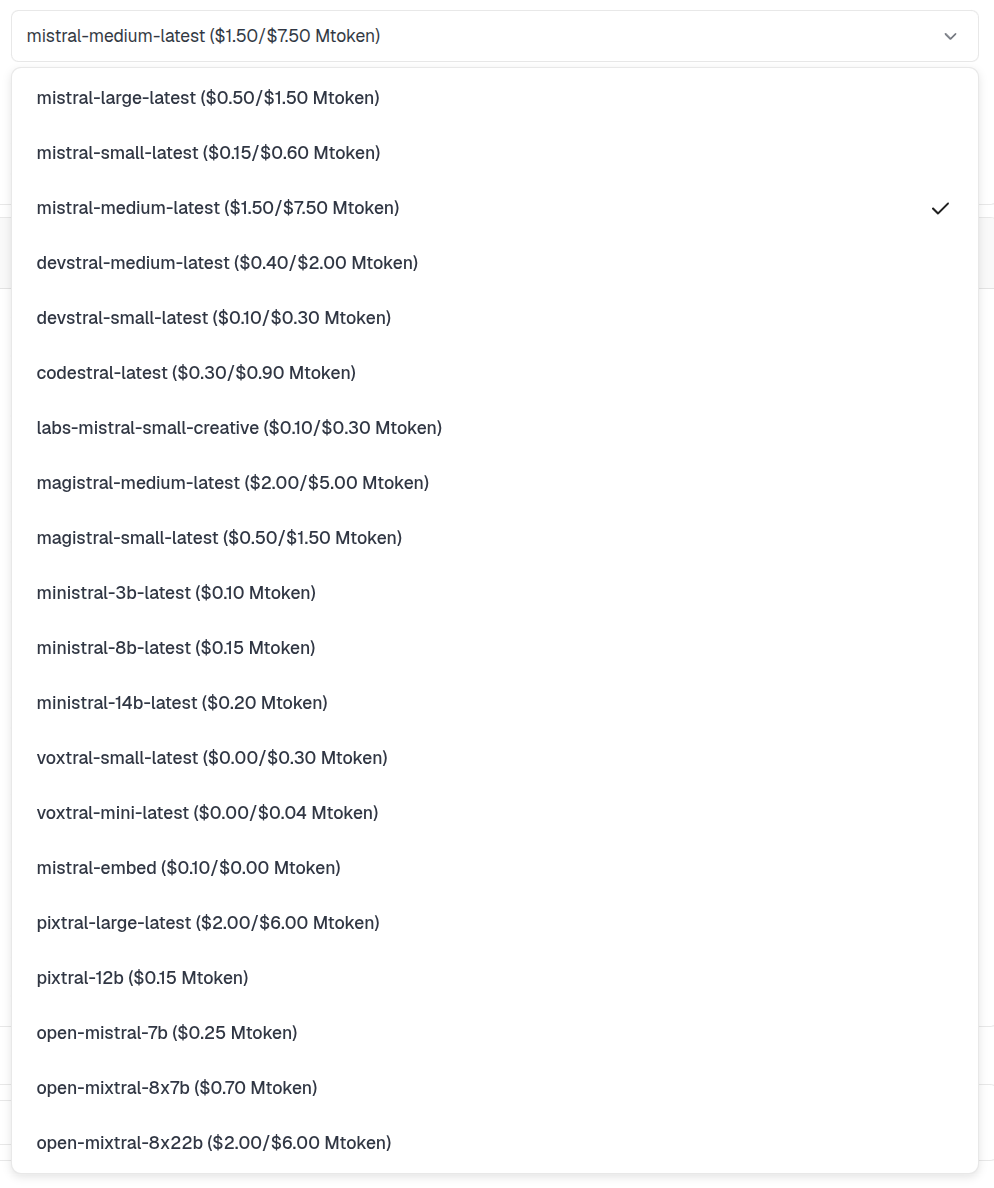
That gives customers the confidence to switch between language models in the dashboard dropdown – for example between OpenAI, Mistral or local models – without fearing that quality will drop.
When we make larger changes, we always run the tests before and after to make sure quality does not get worse.
Or as Baumann puts it:
– It should preferably get better!